 Das beste Design zum günstigsten Preis
 qmwheel88@gmail.com
 +86 18026941430


 en
 it
 es
 tr
 sv
 pt
 cs
 nl
 ru
 fr
 de
 pl
 ar


Understanding the Needs of International Electric Motorcycle Brands
Entering the electric motorcycle market requires more than selecting a vehicle with an attractive appearance. Overseas brands must consider local riding habits, customer expectations, product positioning, component compatibility, and regulatory requirements before developing a competitive product. A motorcycle designed for urban transportation may require a different balance of handling, comfort, and battery performance than one intended for longer-distance riding or recreational use.
For international businesses, high performance electric motorcycle OEM services provide an opportunity to develop products around specific market requirements. Rather than relying entirely on standard configurations, brands can work with manufacturers to adjust product appearance, selected components, branding, and packaging. This flexibility helps distributors and private label businesses establish a recognizable product identity while responding to different customer segments.
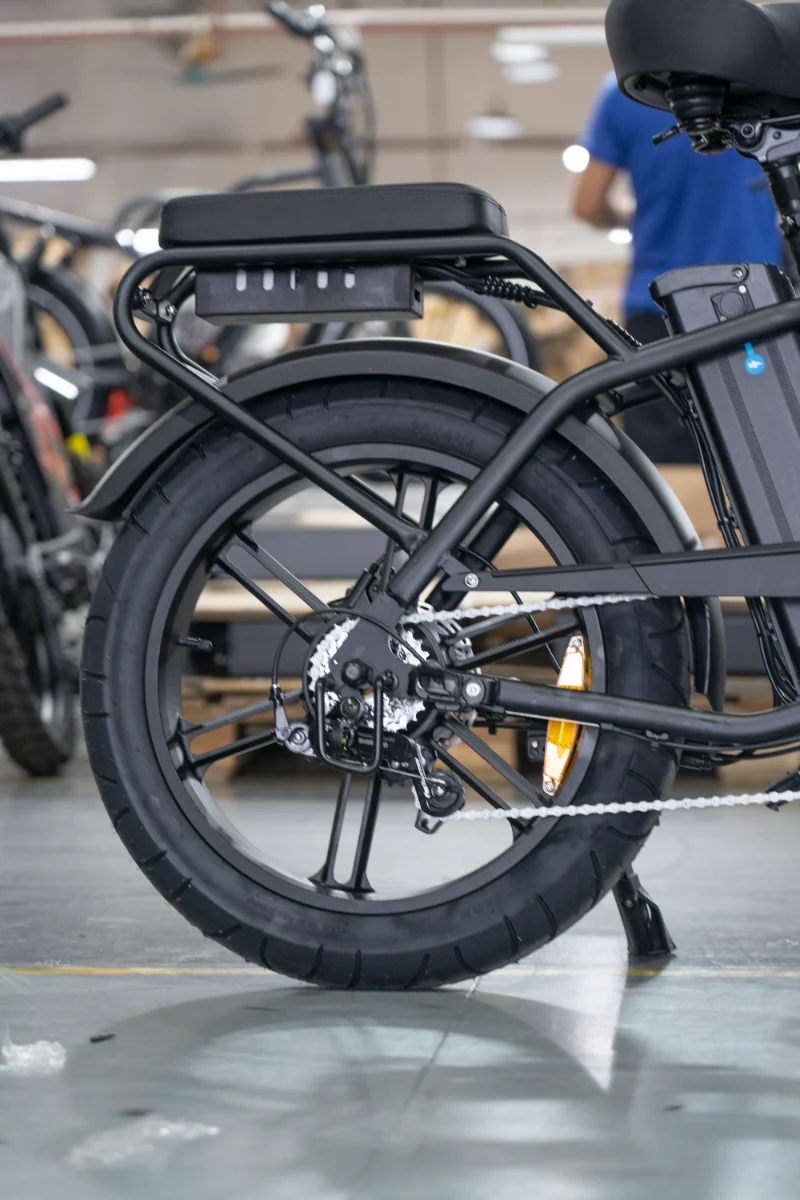
Customization Options That Shape Product Differentiation
A high performance electric motorcycle needs a coordinated design approach. Its frame structure, exterior styling, electrical components, braking configuration, and riding ergonomics all contribute to the overall product experience. OEM customization allows buyers to identify which features are essential for their target market and determine how those requirements should be reflected in the final design.
Customization Area | Buyer Considerations | Potential Options |
|---|---|---|
Exterior design | Brand identity and market positioning | Colors, finishes, appearance details |
Battery configuration | Riding requirements and charging preferences | Capacity, placement, locking design |
Motor components | Performance expectations | Compatible motor configurations |
Braking components | Control and safety requirements | Suitable braking options |
Lighting | Visibility and market regulations | Headlights, taillights, signal lights |
Branding | Retail recognition | Logos, labels, customized packaging |
These choices should be evaluated as connected design decisions rather than independent upgrades. For example, changing a component may affect installation space, product weight, wiring arrangements, or maintenance requirements. A well-planned electric motorcycle OEM project therefore begins with technical communication between the buyer and manufacturer, ensuring that customization remains practical for production and future servicing.
Battery and Motor Considerations for Different Markets
Battery and motor performance are central considerations when buyers evaluate a high performance electric motorcycle. However, the right configuration depends on how the vehicle will be used. Urban riders may value smooth acceleration and predictable power delivery, while customers with more demanding riding requirements may prioritize sustained performance and battery efficiency. Local charging access, expected travel distances, climate, and maintenance conditions should also influence component selection.
International brands should pay attention to battery compatibility, electrical integration, thermal management, and component availability. These factors can affect product consistency, service requirements, and long-term ownership costs. When developing a custom electric motorcycle for overseas markets, buyers should confirm that the selected components work together and meet the applicable requirements in the destination country.
OEM and ODM Cooperation for Private Label Brands
OEM and ODM partnerships offer different approaches to electric motorcycle development. OEM cooperation generally involves customizing an existing product platform to match the buyer's requirements, such as exterior appearance, selected components, branding, and packaging. ODM cooperation may involve more extensive design input, allowing brands to pursue a distinct product concept with support from the manufacturer's development team.
For businesses entering competitive markets, the choice depends on development resources, budget, launch objectives, and desired product differentiation. Private label electric motorcycle manufacturing can help distributors establish their own brand identity without managing every stage of production independently. A suitable manufacturing partner should be able to clarify which customization options are available, how design changes affect production, and what approvals are required before mass manufacturing.
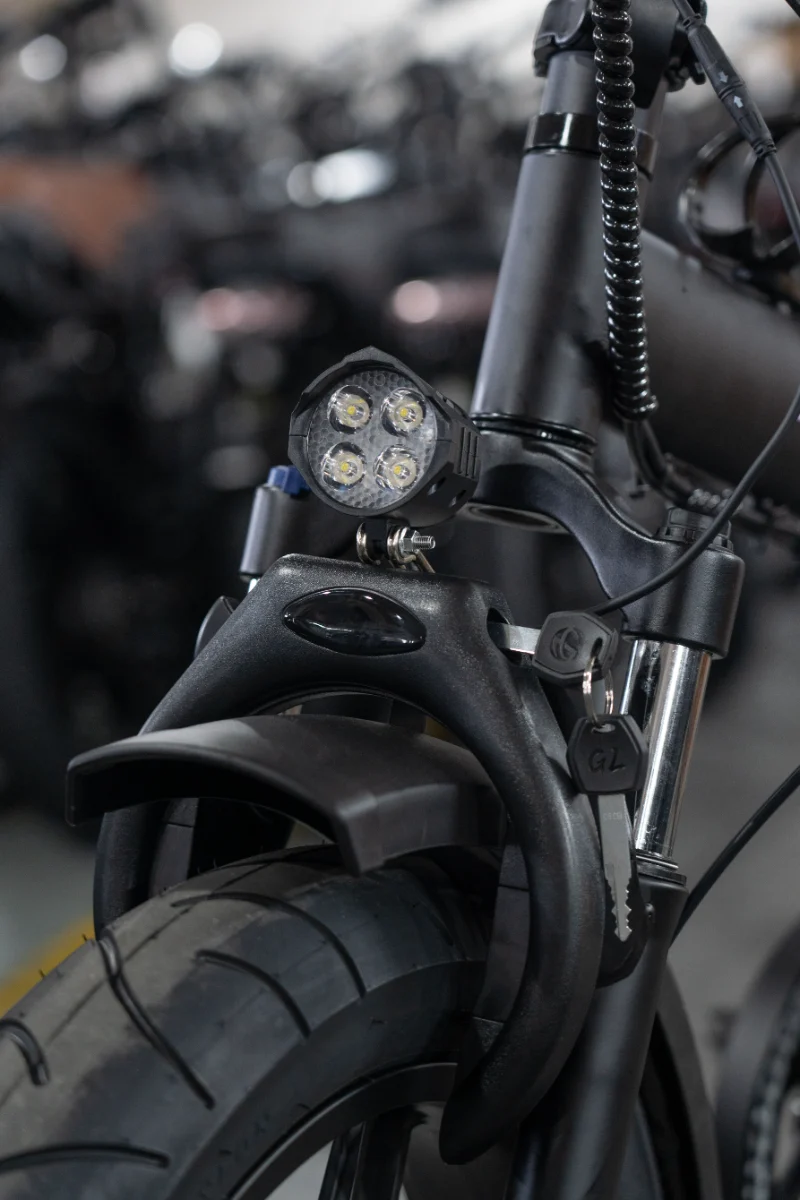
From Product Requirements to Mass Production
A structured development process helps reduce communication errors and unnecessary production adjustments. Buyers should first provide information about their target customers, intended applications, market positioning, and essential product requirements. The manufacturer can then assess technical feasibility and coordinate the design proposal before moving into sample development.
Die Musterbeurteilung ist ein wichtiger Schritt, da Käufer so das Aussehen, die Montagequalität, die Komponentenintegration und die allgemeine Benutzerfreundlichkeit prüfen können. Alle gewünschten Änderungen sollten vor der Produktionsfreigabe dokumentiert und überprüft werden. Bei Elektromotorrädern sollte besonderes Augenmerk auf elektrische Anschlüsse, Bremsleistung, strukturelle Integrität und andere sicherheitsrelevante Elemente gelegt werden.
Entwicklungsphase | Hauptziel |
|---|---|
Bedarfsbesprechung | Definieren Sie Marktbedürfnisse und Anpassungsmöglichkeiten |
Designbestätigung | Überprüfen Sie das Erscheinungsbild und die technische Machbarkeit |
Musterentwicklung | Bewerten Sie das vorgeschlagene Produkt |
Prüfung und Zulassung | Überprüfen Sie die Qualität und die geltenden Anforderungen |
Massenproduktion | Halten Sie genehmigte Spezifikationen und Qualität ein |
Lieferkoordination | Bereiten Sie Verpackungs- und Exportvereinbarungen vor |
Ein klarer Genehmigungsprozess hilft beiden Parteien, konsistente Erwartungen aufrechtzuerhalten. Darüber hinaus erhalten ausländische Käufer einen besseren Einblick in den Entwicklungsfortschritt, die Produktionsvorbereitung und die Lieferplanung.
Qualitätskontrolle und Compliance für den globalen Vertrieb
Bei der Beschaffung von Hochleistungs-Elektromotorrädern für den internationalen Vertrieb ist das Qualitätsmanagement besonders wichtig. Käufer sollten prüfen, wie Hersteller eingehende Komponenten, Montageverfahren, Funktionsprüfungen und Endprodukttests verwalten. Konsistente Inspektionsstandards helfen dabei, Herstellungsfehler zu erkennen, bevor Produkte Händler oder Endkunden erreichen.
Auch Compliance-Anforderungen müssen frühzeitig in der Produktentwicklung berücksichtigt werden. Die Vorschriften für Elektromotorräder sind von Land zu Land unterschiedlich und können Fahrzeugklassifizierung, elektrische Sicherheit, Beleuchtung, Bremsen, Batterietransport und Straßenzulassung umfassen. Käufer sollten die geltenden Standards für ihre Zielmärkte bestätigen, anstatt davon auszugehen, dass eine Zertifizierung automatisch jedes Ziel abdeckt. Ein qualifizierter OEM-Partner kann bei der Koordinierung der technischen Dokumentation und Zertifizierungsvorbereitung helfen, wobei die endgültige Compliance-Verantwortung zwischen den beteiligten Parteien klar festgelegt werden sollte.
Auswahl eines OEM-Herstellers von Elektromotorrädern
Die Auswahl eines OEM-Herstellers für Elektromotorräder erfordert die Bewertung mehr als nur des ursprünglichen Angebots. Käufer aus Übersee sollten die Fertigungskapazitäten, die Erfahrung bei der Anpassung, die technische Kommunikation, die Musterverfahren, die Qualitätsprüfung, die Produktionsplanung und den Kundendienst prüfen. Die Fähigkeit, die Komponentenkonsistenz aufrechtzuerhalten und Ersatzteile bereitzustellen, kann sich auch auf die langfristige Rentabilität einer Vertriebspartnerschaft auswirken.
Bevor Sie eine Großbestellung aufgeben, sollten Sie auf andere kommerzielle Details achten. Dazu gehören Mindestbestellmengen, Zahlungsmodalitäten, Produktionsvorlaufzeiten, Verpackungsanforderungen, Garantiebedingungen, Ersatzteilverfügbarkeit und Exportdokumentation. Käufer sollten auch festlegen, wie Designänderungen nach der Musterfreigabe gehandhabt werden, insbesondere wenn sich Änderungen auf Kosten oder Lieferpläne auswirken können.
QMWHEEL provides OEM/ODM customization support for electric bicycles, including appearance design, component selection, branding, packaging, sampling, and production coordination. Businesses considering a high performance electric motorcycle project should first confirm the manufacturer's relevant motorcycle product range, technical capabilities, and applicable certifications to ensure that the proposed cooperation matches their requirements.
Building Long-Term Value Through OEM Partnerships
A successful OEM partnership should support more than the launch of a single product. As brands gain market feedback, they may need to refine product appearance, adjust component choices, introduce new configurations, or improve packaging for different distribution channels. A manufacturer with organized communication and flexible customization support can make these changes easier to coordinate.
For global brands, the value of high performance electric motorcycle OEM manufacturing lies in connecting product development with practical market needs. Clear requirements, compatible components, consistent quality control, and realistic compliance planning provide a stronger foundation for international growth. By evaluating these factors before production, businesses can make more informed sourcing decisions and develop products that better match their target customers.
Frequently Asked Questions
What can be customized through electric motorcycle OEM services?
Depending on the manufacturer's capabilities, customization may cover exterior appearance, colors, selected components, battery configuration, lighting, branding, and packaging. Buyers should confirm technical feasibility before finalizing specifications.
What is the difference between electric motorcycle OEM and ODM?
OEM usually involves customizing an existing product according to buyer requirements. ODM may include broader design and development support, giving brands more opportunities to create differentiated products.
What should overseas buyers check before placing a bulk order?
Buyers should evaluate sample quality, component compatibility, manufacturing consistency, production capacity, certifications, warranty terms, spare parts support, and delivery arrangements.
Can QMWHEEL support private label electric motorcycle projects?
QMWHEEL offers OEM/ODM services for electric bicycles, including product customization, branding, packaging, and production coordination. Buyers should confirm the availability of specific electric motorcycle products and related manufacturing capabilities directly before starting a project.


-
 Blogs
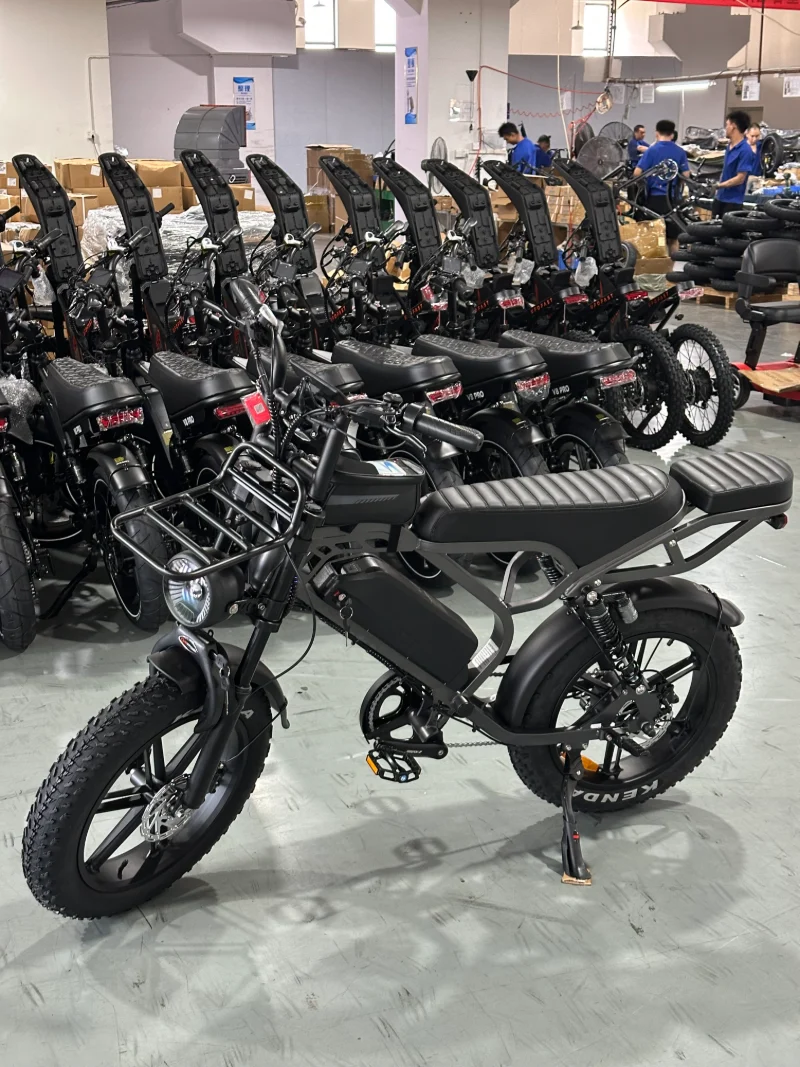
All-Terrain-Fat-Tire-Elektrofahrrad für bessere Traktion auf losem Gelände
Das Design von All-Terrain-Elektrofahrrädern mit fetten Reifen verbessert die Traktion, Stabilität und den Komfort auf Schotter, Sand, Schmutz und unebenen Straßen für vielseitige Mobilität im Freien und beim Pendeln.
Mehr lesen -
 Blogs
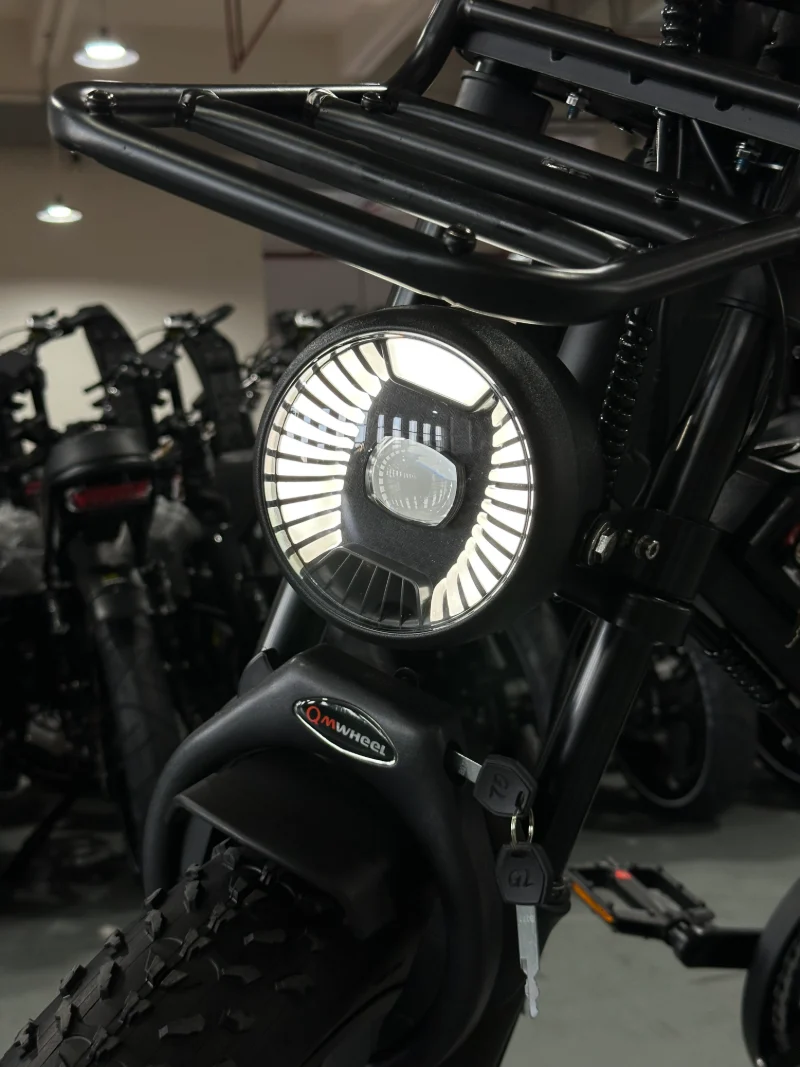
Langstrecken-Fat-Reifen-E-Bike für OEM- und ODM-Marken im Bereich Outdoor-Mobilität
QMWHEEL bietet ein Langstrecken-E-Bike mit fetten Reifen und flexiblen Batterie-, Motor- und Komfortoptionen und unterstützt OEM- und ODM-Marken in verschiedenen Outdoor-Mobilitätsmärkten.
Mehr lesen -
 Blogs
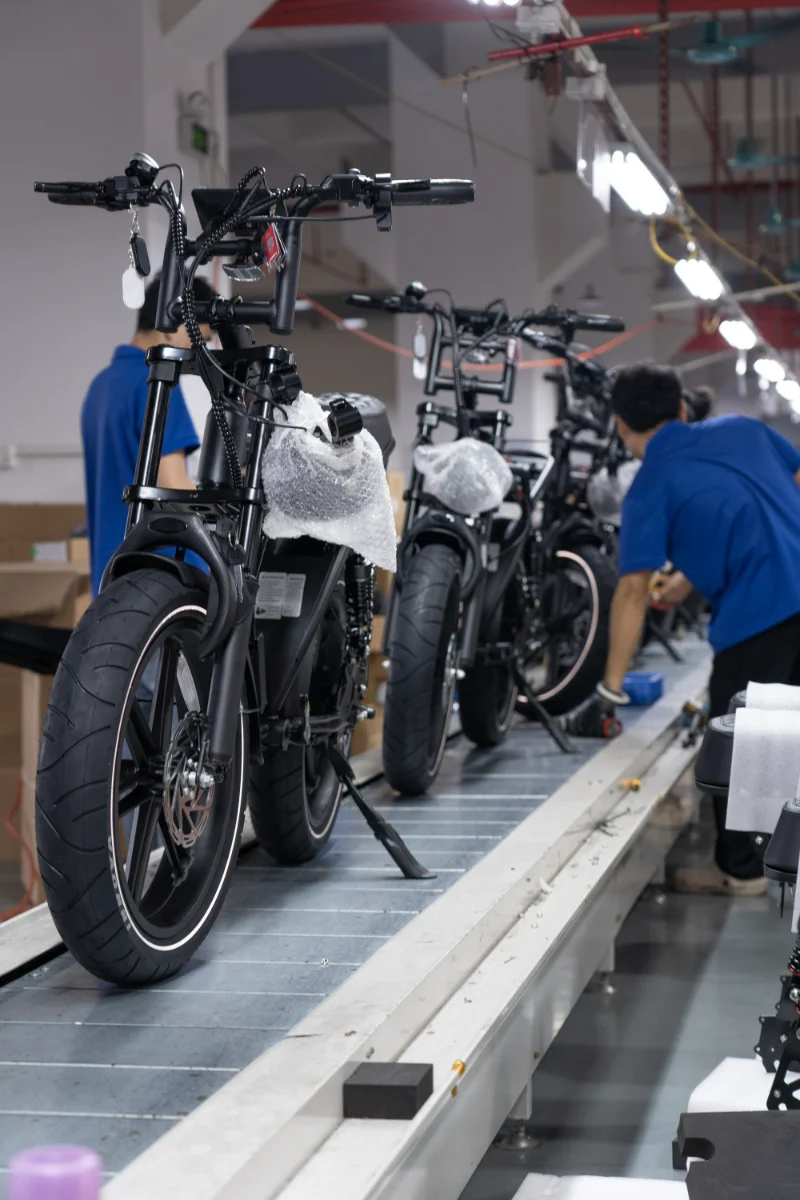
Off-Road-Fat-Tire-Bike-OEM-Design für unterschiedliche Marktanforderungen
QMWHEEL entwickelt Offroad-Fettreifen-Fahrradlösungen mit marktspezifischer Anpassung, OEM-Unterstützung, flexiblen Komponenten, Tests, Branding und globaler Lieferung.
Mehr lesen -
 Blogs
Fat Tire-Elektrofahrräder mit breiten Reifen für besseren Halt auf losem Untergrund
Elektrofahrräder mit dicken Reifen bieten verbesserte Traktion, Komfort und Stabilität auf Schotter, Sand, Schmutz und unebenen Straßen und machen das Fahren in gemischtem Gelände vielseitiger.
Mehr lesen -
 Blogs
Aufbau eines Wettbewerbsvorteils auf dem Markt für Pendler-Fettreifen-Elektrofahrräder: Eine praktische Branchenperspektive von QMWHEEL Vehicle
Die weltweite Nachfrage nach Elektromobilität wird nicht mehr durch Experimente definiert, sondern durch betriebliche Effizienz, Einhaltung gesetzlicher Vorschriften und Gesamtbetriebskosten.
Mehr lesen -
 Blogs
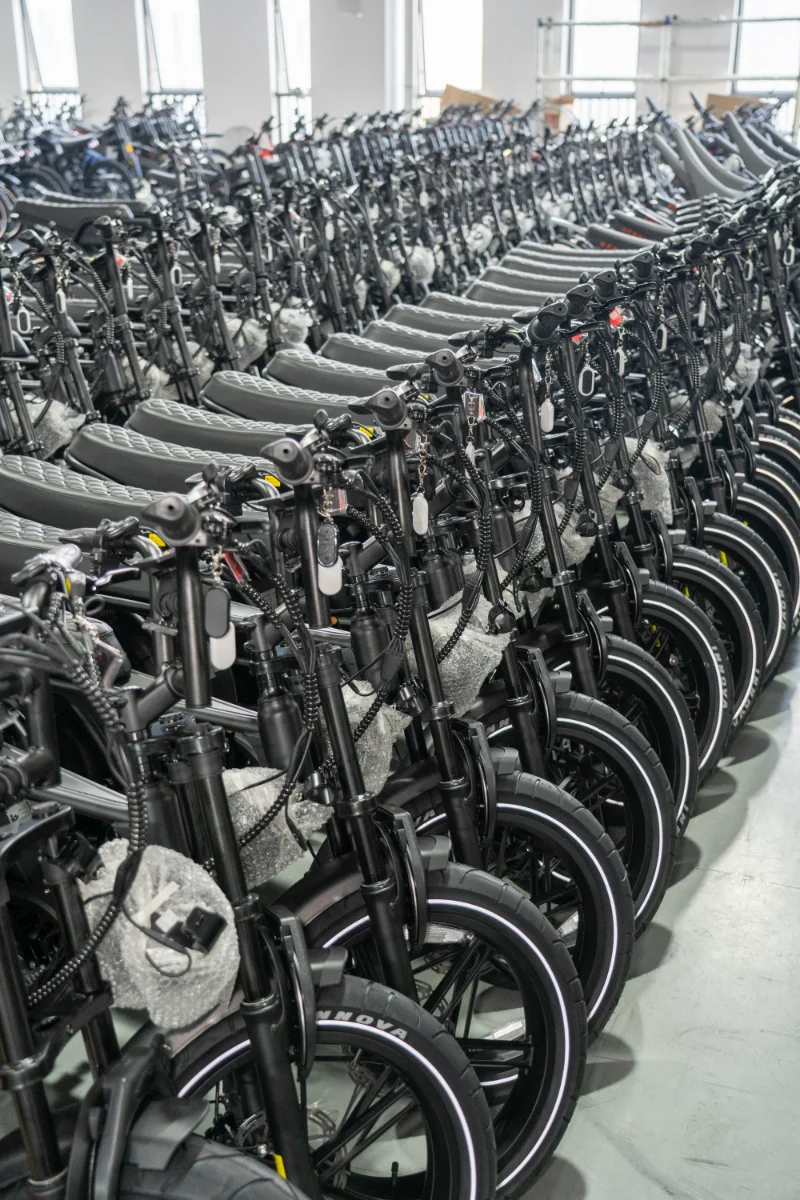
Warum dicke Reifen bei einem maßgeschneiderten Elektro-Mountainbike-Design wichtig sind
Die Leistung fetter Reifen verleiht einem maßgeschneiderten Elektro-Mountainbike mehr Traktion, Stabilität und Komfort für gemischtes Gelände und unterstützt gleichzeitig die flexible OEM- und ODM-Entwicklung.
Mehr lesen